Selecting the perfect adventure destination is a crucial first step in planning an exhilarating journey. The world is replete with diverse landscapes, each offering unique experiences that cater to various interests and skill levels. For instance, if one is drawn to the mountains, destinations such as the Swiss Alps or the rugged peaks of Patagonia provide breathtaking vistas and challenging treks.
Alternatively, those with a penchant for water sports might find the crystal-clear waters of the Caribbean or the surf breaks of Bali more appealing. The key is to align your destination with your personal interests, physical capabilities, and the type of adventure you seek, whether it be hiking, climbing, diving, or something entirely different. Moreover, it is essential to consider the seasonality of your chosen destination.
Some locations are best visited during specific times of the year to avoid extreme weather conditions or to take advantage of local festivals and events. For example, trekking in Nepal is most favourable during the spring and autumn months when the weather is milder and the trails are less crowded. Conversely, visiting the Amazon rainforest during the wet season can provide a unique perspective on its vibrant ecosystem, albeit with the challenges of increased humidity and potential flooding.
Researching these factors will not only enhance your experience but also ensure that you are adequately prepared for what lies ahead.
Packing the Essential Gear for Adventure Travel
Packing for Land-Based Activities
The type of equipment required will largely depend on the nature of the activities planned. For instance, a hiking trip in the mountains necessitates sturdy footwear, moisture-wicking clothing, and a reliable rucksack to carry supplies. Items such as trekking poles can provide extra stability, while a good-quality sleeping bag is vital for comfort during overnight excursions.
Packing for Water-Based Activities
In contrast, if your adventure leans towards water-based activities like kayaking or snorkelling, packing appropriate gear becomes paramount. A well-fitting life jacket, waterproof bags for personal items, and a rash vest for sun protection are essential components of a water sports kit.
Additional Essentials
Furthermore, it is wise to include a first-aid kit tailored to your specific activities, as well as any personal medications you may require. The importance of thorough preparation cannot be overstated; having the right gear can mean the difference between an enjoyable experience and a potentially hazardous situation.
Understanding the Risks and Preparing for Them
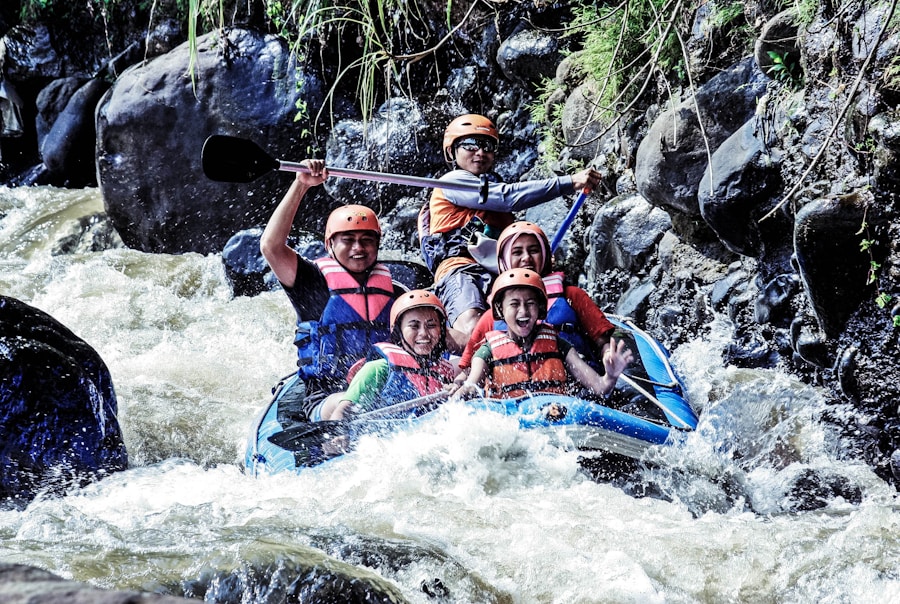
Adventure travel inherently involves a degree of risk, and understanding these risks is vital for ensuring safety throughout your journey. Each activity comes with its own set of challenges; for example, rock climbing can lead to falls if proper techniques are not employed, while white-water rafting may expose participants to strong currents and unpredictable conditions. It is crucial to assess your own skill level honestly and choose activities that match your experience.
Engaging in activities that are beyond your capabilities can lead to dangerous situations. Preparation also involves educating oneself about the specific risks associated with your chosen activities. This could mean familiarising yourself with local wildlife hazards when trekking in national parks or understanding altitude sickness when climbing at high elevations.
Additionally, it is prudent to have contingency plans in place. For instance, knowing how to contact emergency services or having a reliable means of communication can be invaluable in case of an unexpected incident. By being aware of potential dangers and preparing accordingly, adventurers can significantly mitigate risks and enhance their overall experience.
Booking with Reputable Adventure Tour Operators
When venturing into unfamiliar territories or engaging in high-risk activities, booking with reputable adventure tour operators can provide an added layer of security and peace of mind. Established operators often have extensive experience in their respective fields and adhere to safety regulations that ensure a secure environment for their clients. They typically employ qualified guides who possess not only technical skills but also knowledge of local geography and culture, which can enrich your adventure.
Moreover, reputable operators often provide comprehensive packages that include necessary gear, transportation, and accommodation, simplifying the planning process for travellers. For example, companies that specialise in trekking expeditions in remote areas often include meals and support staff to carry equipment, allowing participants to focus on enjoying their journey rather than logistical concerns. It is advisable to read reviews and seek recommendations from fellow adventurers before making a booking; this due diligence can help ensure that you choose an operator that aligns with your expectations and values.
Staying Safe During Adventure Activities
Safety should always be a top priority during adventure activities, regardless of how experienced one may be. Adhering to safety protocols established by guides or instructors is essential; these guidelines are designed to protect participants from potential hazards associated with specific activities. For instance, when participating in group climbing sessions, following instructions regarding harnesses and belaying techniques is crucial for preventing accidents.
Additionally, maintaining situational awareness is vital during any adventure activity. This means being conscious of your surroundings and recognising changes in weather conditions or terrain that could pose risks. For example, sudden shifts in weather while hiking can lead to treacherous conditions such as slippery paths or reduced visibility.
It is also important to listen to your body; if you feel fatigued or unwell, it may be wise to take a break or even reconsider continuing with an activity. By prioritising safety and being attuned to both external conditions and personal limits, adventurers can significantly reduce their risk of injury.
Knowing When to Seek Professional Help
Physical Injuries
For physical injuries, knowing how to administer first aid can be invaluable until professional medical help arrives. Carrying a well-stocked first-aid kit is essential for addressing minor injuries like cuts or sprains on-site. However, if an injury appears serious—such as fractures or severe bleeding—seeking immediate professional assistance is imperative.
Psychological Distress
Similarly, if feelings of anxiety or panic arise during high-pressure situations like extreme sports or remote trekking, it is important to communicate these feelings with guides or companions who can provide support or help facilitate a safe exit from the situation.
Importance of Communication
Recognising the importance of communication during an adventure trip cannot be overstated. It is crucial to communicate any signs of injury or mental fatigue with guides or companions to ensure prompt assistance and prevent further complications.
Respecting Local Cultures and Environments
Adventure travel often takes individuals into regions rich in cultural heritage and natural beauty. It is imperative for travellers to approach these experiences with respect and sensitivity towards local cultures and environments. Understanding local customs and traditions not only enhances one’s experience but also fosters goodwill between visitors and host communities.
For instance, when visiting indigenous territories, it is essential to learn about their customs regarding photography or interaction; some communities may have specific protocols that should be followed. Environmental respect is equally important during adventure travel. Many popular destinations are facing challenges due to overtourism and environmental degradation.
Practising Leave No Trace principles—such as packing out all waste and minimising campfire impact—can help preserve these natural spaces for future generations. Additionally, supporting local businesses by purchasing handmade crafts or dining at local eateries contributes positively to the economy while allowing travellers to engage more authentically with their surroundings.
Reflecting on the Experience and Planning for Future Adventures
After returning from an adventure trip, taking time to reflect on the experience can be incredibly beneficial for personal growth and future planning. Journaling about your experiences allows you to capture memories while also identifying what aspects you enjoyed most or what challenges you faced. This reflection can inform future travel decisions; perhaps you discovered a love for mountain biking that you wish to pursue further or realised that you prefer more leisurely explorations over high-adrenaline activities.
Moreover, sharing your experiences with others—whether through social media platforms or travel blogs—can inspire fellow adventurers while also providing valuable insights into what worked well during your trip. Engaging with travel communities can open doors to new opportunities and ideas for future adventures. As you plan your next journey, consider how you can build upon past experiences while continuing to challenge yourself in new ways; this ongoing cycle of reflection and planning will enrich your adventures for years to come.
If you are looking to enjoy adventure tourism safely, it is important to be aware of potential risks and take necessary precautions. One related article that highlights the importance of safety measures is this tragic incident where an electrician lost his life while working on an electrical pole. This serves as a reminder of the dangers that can be present in adventurous activities and the need to prioritise safety at all times.