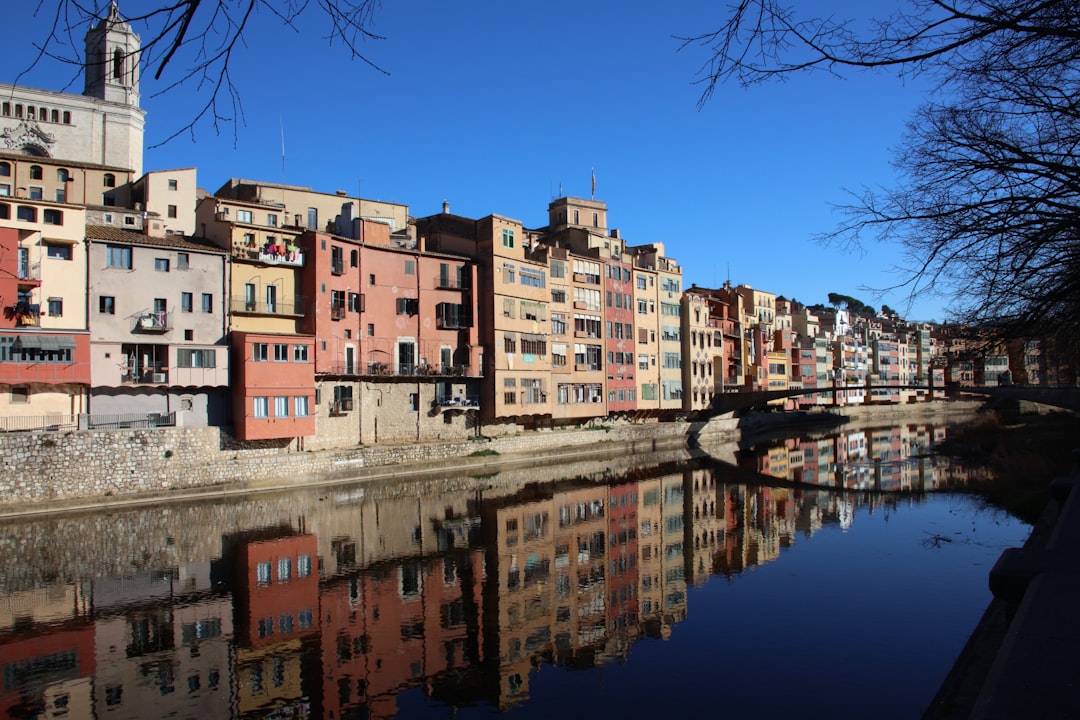
Medieval cities possess an undeniable allure that captivates the imagination of visitors and historians alike. These urban centres, often characterised by their cobbled streets, towering cathedrals, and fortified walls, transport one back to a time when knights roamed the land and markets bustled with the sounds of trade. The charm of these cities lies not only in their physical structures but also in the stories they tell.
Each alleyway and square is steeped in history, echoing the lives of those who walked them centuries ago. The preservation of medieval architecture allows modern-day visitors to experience a tangible connection to the past, fostering a sense of wonder and curiosity about the lives of those who inhabited these spaces. The atmosphere in medieval cities is often imbued with a sense of nostalgia, as if time has stood still.
The rhythmic sound of horse-drawn carriages, the scent of fresh bread from local bakeries, and the sight of artisans crafting their wares evoke a simpler time. Cities like Carcassonne in France or Rothenburg ob der Tauber in Germany exemplify this charm, with their well-preserved fortifications and vibrant marketplaces. The juxtaposition of ancient stone buildings against the backdrop of modern life creates a unique tapestry that invites exploration.
Visitors often find themselves wandering through narrow lanes, discovering quaint shops and hidden courtyards, each turn revealing another layer of history waiting to be uncovered.
Exploring historical architecture and landmarks
The architectural landscape of medieval cities is a testament to the ingenuity and craftsmanship of their builders. Structures such as cathedrals, castles, and town halls not only served functional purposes but also symbolised power and faith. The intricate designs of Gothic cathedrals, with their soaring spires and elaborate stained glass windows, are particularly striking.
For instance, the Notre-Dame Cathedral in Paris stands as an iconic representation of Gothic architecture, showcasing the era’s artistic ambition and religious devotion. Visitors are often left in awe of the meticulous attention to detail that characterises these buildings, from the ornate carvings on doorways to the delicate tracery of windows. In addition to religious structures, medieval cities are dotted with castles that tell tales of feudal lords and battles fought for territory.
The imposing silhouette of Edinburgh Castle dominates the skyline of Scotland’s capital, offering panoramic views of the city while serving as a reminder of its tumultuous past. Exploring these landmarks provides insight into the social and political dynamics of the time, as well as the architectural styles that evolved over centuries. Each castle and cathedral has its own narrative, often intertwined with local legends and historical events that shaped the region.
This rich tapestry of stories enhances the experience for visitors, allowing them to appreciate not just the beauty of the structures but also their significance in the broader context of history.
Immersing in local traditions and culture
To truly appreciate a medieval city, one must delve into its local traditions and cultural practices. These cities often serve as living museums where age-old customs are preserved and celebrated. Festivals, craft fairs, and local markets provide opportunities for visitors to engage with residents and experience the vibrant culture firsthand.
In towns like Bruges, Belgium, for example, traditional lace-making techniques are still practiced by artisans who pass down their skills through generations. Observing these crafts in action offers a glimpse into the daily lives of those who have maintained these traditions over centuries. Moreover, many medieval cities host annual events that celebrate their heritage.
The medieval festival in Carcassonne is a prime example, where locals don period costumes and reenact historical events amidst the backdrop of their ancient fortress. Such events not only entertain but also educate visitors about the customs and values that shaped these communities. Engaging with local traditions fosters a deeper understanding of the city’s identity and allows for meaningful interactions with its inhabitants.
Whether it’s participating in a traditional dance or learning about ancient crafts, immersing oneself in local culture enriches the travel experience and creates lasting memories.
Sampling traditional cuisine and local delicacies
No exploration of a medieval city would be complete without indulging in its traditional cuisine. Food is an integral part of cultural identity, and many medieval cities boast culinary traditions that have been refined over centuries. Local markets often feature stalls brimming with artisanal products, from cheeses and cured meats to freshly baked bread and pastries.
In cities like Siena, Italy, visitors can savour panforte, a rich fruitcake that dates back to the Middle Ages, while in Toledo, Spain, marzipan is a beloved treat that reflects the city’s Moorish influences. Dining in medieval cities often involves more than just tasting local dishes; it is an experience steeped in history. Many restaurants are housed in buildings that have stood for centuries, their interiors adorned with rustic wooden beams and stone walls that whisper tales of times gone by.
Traditional recipes are frequently passed down through generations, ensuring that each dish retains its authentic flavour. In places like Prague, Czech Republic, hearty meals such as goulash served with dumplings reflect the region’s agricultural roots and communal dining traditions. Sampling these culinary delights not only satisfies the palate but also provides insight into the historical influences that have shaped local gastronomy.
Uncovering hidden gems and secret spots
While popular landmarks often draw crowds, some of the most enchanting experiences in medieval cities can be found off the beaten path. Hidden gems such as secluded gardens, lesser-known museums, or quaint cafés tucked away in narrow alleys offer a more intimate glimpse into the city’s character. For instance, in Florence, Italy, visitors can discover the Bardini Garden—a serene oasis filled with blooming flowers and stunning views—away from the bustling tourist hotspots.
Such places allow for quiet reflection and a chance to connect with the city on a deeper level. Exploring these secret spots often requires a sense of adventure and curiosity. Engaging with locals can lead to recommendations for hidden treasures that may not be featured in guidebooks.
In Ghent, Belgium, for example, wandering through its labyrinthine streets may reveal charming canalside cafés or small galleries showcasing local artists’ work. These discoveries enrich one’s travel experience by providing unique perspectives on the city’s culture and history. The thrill of uncovering these hidden gems adds an element of surprise to any journey through a medieval city.
Participating in medieval-themed events and festivals
Immersive Experiences
The annual Medieval Festival in Provins, France, is a prime example where visitors can witness jousting tournaments, falconry displays, and traditional crafts being demonstrated by skilled artisans.
Education and Community
These events not only entertain but also educate attendees about historical practices and societal norms from the medieval period. Participants often dress in period costumes, adding to the authenticity of the experience while fostering a sense of community among locals and visitors alike. Engaging in activities such as archery or participating in traditional dances allows individuals to step into history for a day.
Lasting Memories and Cultural Heritage
Such festivals create lasting memories while highlighting the importance of preserving cultural heritage for future generations.
Engaging in outdoor activities and nature exploration
Beyond their historical significance, many medieval cities are situated amidst stunning natural landscapes that invite outdoor exploration. The surrounding countryside often features rolling hills, lush vineyards, or dramatic coastlines that provide ample opportunities for hiking, cycling, or simply enjoying leisurely strolls. In regions like Tuscany, Italy, visitors can cycle through picturesque vineyards while soaking in breathtaking views of ancient hilltop towns.
Additionally, many medieval cities are located near national parks or nature reserves that offer diverse ecosystems for exploration. For instance, York is not only rich in history but also serves as a gateway to the stunning North York Moors National Park. Here, visitors can embark on scenic hikes or partake in birdwatching amidst heather-covered moors and rugged cliffs overlooking the sea.
Engaging with nature enhances one’s appreciation for the region’s beauty while providing a refreshing contrast to urban exploration.
Planning the perfect medieval city getaway
When planning a getaway to a medieval city, several factors should be considered to ensure an enriching experience. First and foremost is timing; many cities host seasonal festivals or events that can enhance one’s visit significantly. Researching local calendars can help identify opportunities to engage with cultural celebrations or historical reenactments that align with travel dates.
Accommodation choices also play a crucial role in shaping one’s experience. Opting for lodgings within historic buildings or charming inns can provide an authentic atmosphere that complements the overall theme of exploration. Additionally, creating an itinerary that balances visits to major landmarks with time spent discovering hidden gems will allow for a well-rounded experience.
Lastly, engaging with locals can greatly enhance one’s understanding of the city’s culture and history. Whether through guided tours led by knowledgeable residents or casual conversations at local cafés, these interactions can provide invaluable insights that enrich one’s journey through these captivating medieval landscapes. By thoughtfully planning each aspect of the trip—from timing to accommodation—travellers can create unforgettable memories steeped in history and charm within these remarkable cities.
If you are interested in exploring the history and charm of medieval cities, you may also enjoy reading about the farewell to Queen Elisabeta with one of the most beautiful and final photographs here. This article captures a poignant moment in history, much like the allure of medieval towns that transport you back in time. It’s fascinating to delve into the past and uncover the stories behind these enchanting destinations.