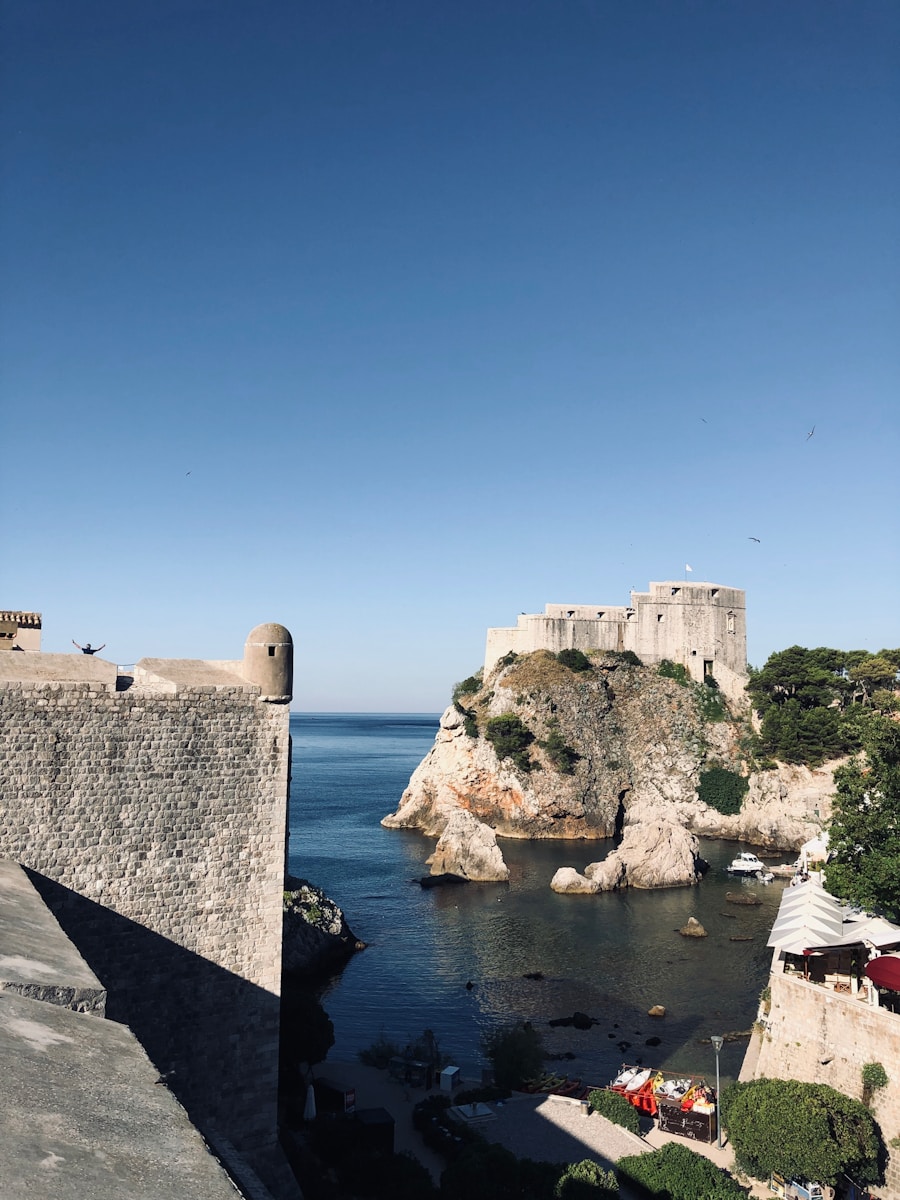
Medieval coastal cities stand as remarkable testaments to the ingenuity and resilience of human societies during a time of significant transformation in Europe. These urban centres, often strategically located along trade routes and near vital maritime passages, played a crucial role in the economic, cultural, and political landscapes of their respective regions. The interplay between land and sea not only shaped the livelihoods of their inhabitants but also influenced the architectural styles, social structures, and cultural practices that emerged within these vibrant communities.
The allure of medieval coastal cities lies not only in their historical significance but also in their ability to transport visitors back to an era marked by exploration, trade, and cultural exchange. From the bustling ports of the Mediterranean to the fortified harbours of the North Sea, these cities were melting pots of diverse cultures and ideas. As one wanders through their cobbled streets, it becomes evident that each city has its own unique story to tell, woven into the very fabric of its buildings, marketplaces, and traditions.
Historical Background of Medieval Coastal Cities
The Rise of Maritime Trade Routes
The rise of maritime trade routes facilitated the exchange of goods such as spices, textiles, and precious metals, which in turn attracted merchants and artisans to these burgeoning urban centres. One notable example is Venice, which rose to prominence during the 9th century as a key trading post between Europe and the East. Its strategic location on the Adriatic Sea allowed it to control trade routes and amass great wealth.
Unique Governance Structures
The city’s unique governance structure, characterised by a blend of oligarchy and democracy, further contributed to its stability and growth. Similarly, cities like Genoa and Marseille became important players in Mediterranean trade, establishing networks that would endure for centuries.
Enduring Legacy
The historical significance of these coastal cities is underscored by their ability to adapt to changing political landscapes, often serving as bastions of commerce and culture amidst the turbulence of medieval Europe.
Architectural Marvels of Medieval Coastal Cities
The architectural landscape of medieval coastal cities is a reflection of their historical significance and cultural diversity. Many of these cities boast impressive fortifications designed to protect against invasions and piracy. For instance, the fortified walls of Dubrovnik, known as Ragusa in medieval times, are a stunning example of defensive architecture.
Constructed between the 12th and 17th centuries, these walls not only served a practical purpose but also symbolised the city’s wealth and independence as a maritime republic. In addition to fortifications, many coastal cities feature grand cathedrals and churches that showcase the artistic achievements of the period. The Cathedral of Santa Maria del Fiore in Florence, with its iconic dome designed by Filippo Brunelleschi, exemplifies the blend of Gothic and Renaissance styles that emerged during this era.
Similarly, the stunning St. Mary’s Church in Gdańsk reflects the wealth generated by maritime trade through its intricate brickwork and elaborate altarpiece. These architectural marvels not only served religious purposes but also acted as focal points for community life, drawing people together for worship, celebration, and civic events.
Exploring the Culture and Traditions of Medieval Coastal Cities
The culture of medieval coastal cities was profoundly influenced by their maritime connections and diverse populations. As centres of trade and commerce, these cities attracted merchants, artisans, and scholars from various regions, leading to a rich tapestry of cultural exchange. Festivals celebrating maritime heritage were common, with events such as regattas and sea fairs drawing crowds from near and far.
In Venice, for example, the annual Regata Storica showcases traditional rowing boats adorned with vibrant colours, reflecting the city’s deep-rooted connection to its waterways. Moreover, the blending of different cultures often resulted in unique traditions that continue to be celebrated today. In Marseille, the influence of North African culture is evident in local customs and festivals, such as the Feast of Saint Mary Magdalene, which features processions and communal meals that highlight the city’s diverse heritage.
The culinary traditions that emerged from these cultural exchanges further enriched the social fabric of medieval coastal cities, creating a legacy that endures in contemporary practices.
Culinary Delights in Medieval Coastal Cities
The culinary landscape of medieval coastal cities is a fascinating reflection of their geographical location and cultural influences. The proximity to the sea provided an abundance of fresh seafood, which became a staple in many coastal diets. Fish dishes were often prepared using local herbs and spices, creating flavours that were distinct to each region.
In places like Lisbon, salted cod became a culinary icon, while in Venice, dishes featuring squid ink pasta showcased the city’s maritime bounty. Trade routes also played a significant role in shaping the culinary traditions of these cities. Spices from the East were highly sought after and transformed local cuisines.
The introduction of ingredients such as saffron and cinnamon not only enhanced flavours but also elevated dishes to new heights of sophistication. Markets in coastal cities were vibrant hubs where merchants showcased exotic goods alongside local produce, allowing residents to experiment with diverse flavours and cooking techniques. This culinary fusion laid the groundwork for modern Mediterranean cuisine, which continues to celebrate its rich heritage.
Activities and Attractions in Medieval Coastal Cities
Local Flavours and Traditions
In addition to historical exploration, many coastal cities host lively markets where local artisans sell handmade crafts and traditional foods. The bustling Mercado de la Boqueria in Barcelona is a prime example; it offers an array of fresh produce, cured meats, and artisanal cheeses that reflect the region’s culinary heritage. Furthermore, participating in local festivals can provide an authentic experience of community life.
Celebrating Unique Identities
Events such as Venice’s Carnival or Gdańsk’s St Dominic’s Fair showcase traditional costumes, music, and dance that celebrate each city’s unique identity.
Practical Tips for Visiting Medieval Coastal Cities
When planning a visit to medieval coastal cities, several practical considerations can enhance the experience. First and foremost is timing; visiting during shoulder seasons—spring or autumn—can provide a more pleasant climate while avoiding the throngs of summer tourists. This allows for a more intimate exploration of historical sites without feeling rushed or overwhelmed.
Navigating these cities often involves walking along narrow streets or climbing steep hills; therefore, comfortable footwear is essential. Additionally, many coastal cities have well-preserved public transport systems that can facilitate travel between key attractions. It is advisable to research local customs and etiquette beforehand; understanding cultural norms can enrich interactions with residents and enhance one’s overall experience.
Lastly, learning a few basic phrases in the local language can go a long way in fostering goodwill with locals.
Preserving and Protecting the Heritage of Medieval Coastal Cities
The preservation of medieval coastal cities is crucial not only for maintaining their historical integrity but also for sustaining their cultural identity amidst modernisation pressures. Many cities have implemented conservation efforts aimed at protecting architectural heritage while promoting sustainable tourism practices. For instance, UNESCO World Heritage status has been granted to several coastal cities like Venice and Dubrovnik due to their outstanding universal value; this recognition helps secure funding for restoration projects while raising awareness about their significance.
Community involvement plays a vital role in preservation efforts as well. Local organisations often engage residents in initiatives aimed at safeguarding their cultural heritage through education programmes and volunteer opportunities. By fostering a sense of pride among inhabitants regarding their city’s history, these initiatives encourage active participation in conservation efforts.
Furthermore, collaboration between governments, non-profits, and private stakeholders can lead to innovative solutions that balance tourism development with heritage protection. In conclusion, medieval coastal cities are not merely relics of the past; they are living entities that continue to evolve while honouring their rich histories. Through careful preservation efforts and community engagement, these cities can thrive as vibrant cultural centres that celebrate their unique identities for generations to come.
If you are interested in exploring medieval cities on the Mediterranean coast, you may also enjoy reading about efficient risk management as a determining factor for ensuring financial market stability. This article discusses the importance of managing risks effectively in order to maintain stability in financial markets. You can read more about it here.


